Sustainable Flexo Printing at Royfen: Delivering Value to the Industry and to Nature
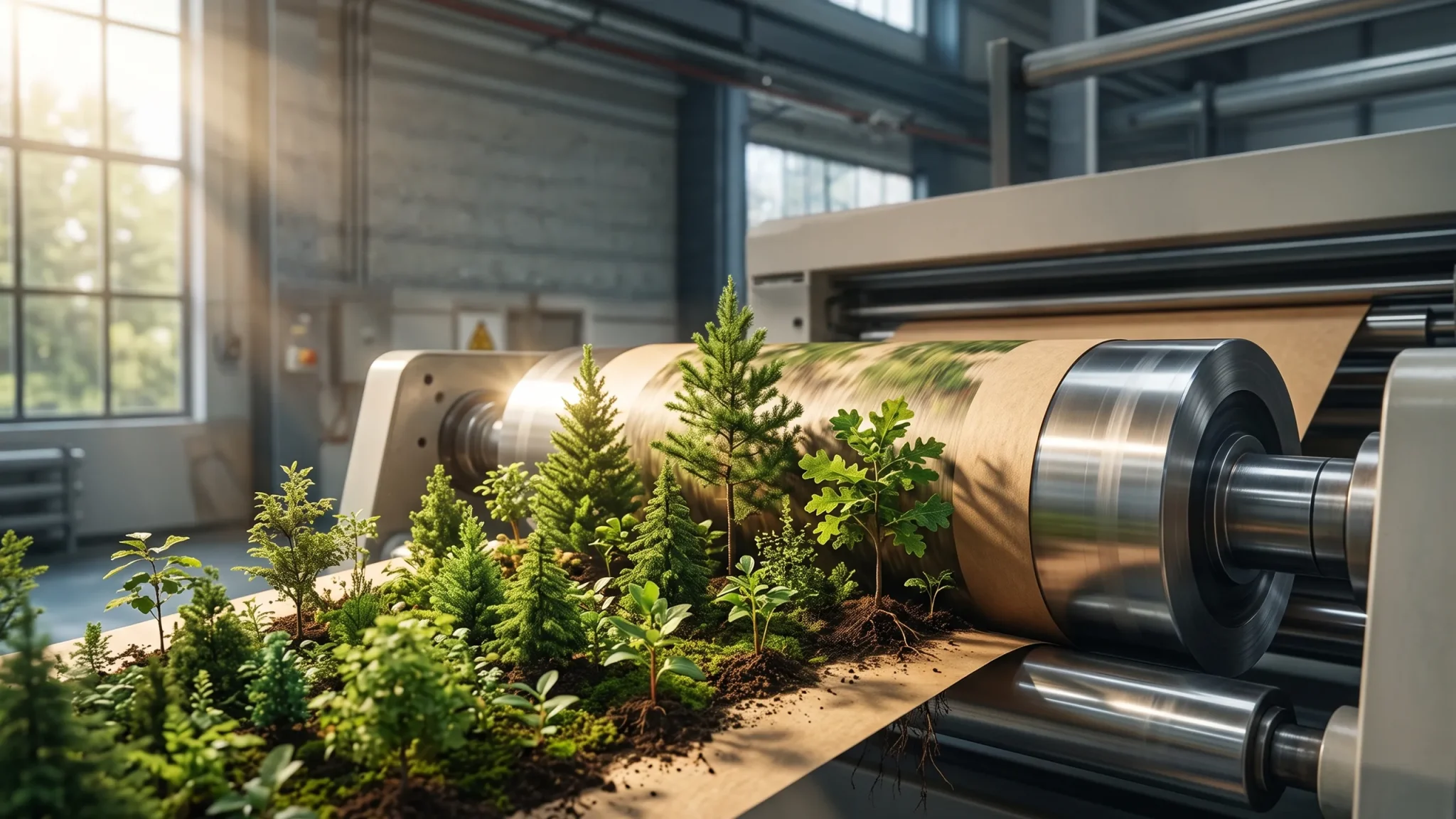
The packaging and printing industry is among the world’s largest consumers of raw materials and generators of waste. This reality places significant responsibility on every company operating in the sector — especially printing machine manufacturers like us. The machines we build will run in the field for years, and their design directly shapes the environmental footprint of thousands of production lines across the industry. At Royfen, we place sustainability and recycling at the core of our manufacturing philosophy with this responsibility in mind. In this article, we explore how flexo printing technology intersects with sustainability, and the concrete value Royfen delivers to both the industry and the natural world.
The Weight of Recycling in the Packaging and Printing Industry
The packaging industry is directly tied to natural resource consumption due to its sheer production volume. Substrates such as paper, plastic film, aluminum, and glass each require significant energy and resources throughout their lifecycle, from production to recycling. Add to this the environmental impact of the inks, printing plates, and drying systems used in the printing process, and it becomes clear why the industry sits at such a critical point when it comes to sustainability.
In recent years, meaningful steps have been taken to change this picture — both in Turkey and globally: deposit return systems, the European Union’s packaging and packaging waste regulations, and mandatory carbon footprint reporting requirements. All of these have shifted recycling and sustainability from being a mere “goodwill gesture” to a factor that directly determines competitiveness in the industry. This is where our role as a printing machine manufacturer comes in: making this transformation technically achievable for the sector.
Technical Factors That Define Sustainability in Flexo Printing
Sustainability in a flexo printing machine isn’t an abstract goal — it’s the result of concrete engineering decisions. The key factors enabling eco-friendly production in the sector include:
Precise registration control and low waste rates. Ensuring high-precision color and pattern alignment during printing directly reduces material waste caused by misprints. As waste decreases, both raw material consumption and overall waste output drop.
Compatibility with water-based and UV LED curable ink systems. These ink systems produce significantly lower volatile organic compound (VOC) emissions compared to traditional solvent-based inks. A printing machine’s ability to run smoothly with these systems directly reduces the manufacturer’s environmental impact.
Energy-efficient motor and drive technology. High-efficiency servo motors and drive systems consume considerably less energy at the same production speed. This lowers both operating costs and the machine’s carbon footprint.
Compatibility with mono-material and recyclable packaging structures. Growing industry demand is shifting toward mono-material packaging that is easier to recycle. A printing machine’s ability to print high-quality results on these thin films and flexible packaging structures is a critical factor in helping manufacturers transition to sustainable packaging.
Fast plate/job changeovers that save material. Machines that can handle even short-run jobs with minimal makeready waste significantly reduce material loss — especially important as demand grows for versioning and personalization in today’s packaging market.
How Sustainability Comes to Life in Royfen Machines
We treat these technical principles as an integral part of our machine design. In the flexo printing machines we develop at Royfen, we:
- Design units that run smoothly with water-based and UV LED curable ink systems,
- Prioritize high-efficiency motor and drive technologies that reduce energy consumption,
- Aim to keep production waste to a minimum through precise registration control,
- Build our machine infrastructure to support a seamless transition to recyclable and mono-material packaging structures for our customers.
Our goal is clear: to provide packaging manufacturers with a production infrastructure that helps them comply seamlessly with both today’s regulatory requirements (local deposit return systems, recycling mandates) and tomorrow’s global sustainability standards.
Royfen's Concrete Contribution to Nature
We don’t limit sustainability to the technical specifications of our machines. As a player in this industry, we also see it as our responsibility to give back to nature directly:
🌳 We plant more than 10,000 trees every year. Through our annual reforestation project, we aim to help offset the industry’s impact on natural resources and make a measurable contribution to nature.
♻️ We prioritize waste reduction at our production facility. We implement process improvements that reduce material waste in our own manufacturing operations and prioritize recyclable raw materials.
🌱 We’re committed to raising awareness across the industry. We see informing our customers and business partners about sustainable production practices as an important part of contributing to the industry’s broader transformation.
Note: The figures and practices above have been prepared as a sample framework; we recommend confirming them with Royfen’s current, verified data before publication.
What to Consider When Transitioning to Sustainable Production in the Industry
If you’re a packaging or label manufacturer investing in a printing machine that aligns with your sustainability goals, we recommend evaluating the following criteria:
- Is the machine compatible with water-based or UV LED curable ink systems?
- Does it use high-efficiency motor and drive technology?
- Does its registration precision keep production waste and material loss to a minimum?
- Can it print on recyclable and mono-material packaging structures without issue?
- Can it handle short-run and versioned jobs with low makeready waste?
- Does the manufacturer offer a concrete, transparent sustainability roadmap?
Conclusion: Creating Value for the Industry and for Nature, Together
Sustainability is no longer optional in the packaging and printing industry — it’s a requirement shaped by both regulation and market expectations. At Royfen, we aim to be an active solutions partner in this transformation, not a passive observer — through both the flexo printing technology we develop and our initiatives that give back directly to nature. We believe that every packaging manufacturer in the industry can get ahead on their sustainability journey by investing in the right technology.
If you’re looking to prioritize sustainability in your packaging production, get in touch with us to learn more about Royfen’s eco-friendly flexo printing technologies.
Frequently Asked Questions
How is sustainability achieved in flexo printing?
Water-based or UV LED curable ink systems, energy-efficient motor technologies, low waste rates through precise registration control, and compatibility with recyclable materials are the core components of sustainability in flexo printing.
Why is recycling so important in the packaging industry?
The packaging industry is among the sectors with the highest environmental impact due to high raw material consumption and waste generation. Recycling directly contributes to conserving natural resources, reducing carbon footprint, and strengthening the circular economy.
What should you look for in a sustainable flexo printing machine?
Ink system compatibility, energy efficiency, registration precision, support for recyclable/mono-material packaging, and low makeready waste are the key sustainability criteria to consider when choosing a machine.